As a competitive bodybuilder and fitness coach, I always recommend prioritizing whole-food protein sources supported by scientific research to ensure both muscle growth and long-term health.
It’s not just about lifting heavy weights or spending hours at the gym to build muscle. Getting enough protein is just as important as eating well. Protein is what muscles are made of. It helps muscles heal after workouts and makes them grow faster. You won’t get the results you want from your training plan if you don’t eat enough protein.
If you’re a fitness buff, an athlete, or just starting out and trying to gain lean muscle, you can make a lot of progress by choosing the right foods that are high in protein. This blog will talk about ten high-protein foods that can help you build muscle faster. We’ll also talk about how to add them to your diet every day and what they can do for you.
Why Protein Is Important for Gaining Muscle
Your muscles get tiny tears when you work out, especially when you lift weights. Protein helps these tears heal, which makes muscles bigger and stronger over time. Protein also helps the body make hormones, speeds up the metabolism, and helps you get better.
Most experts agree that you should eat between 1.6 and 2.2 grams of protein per kilogram of body weight each day to build muscle. The exact amount depends on how active you are and what your goals are. Whole foods are always the best source of protein because they also have healthy fats, vitamins, and minerals that your body needs.
1. Eggs
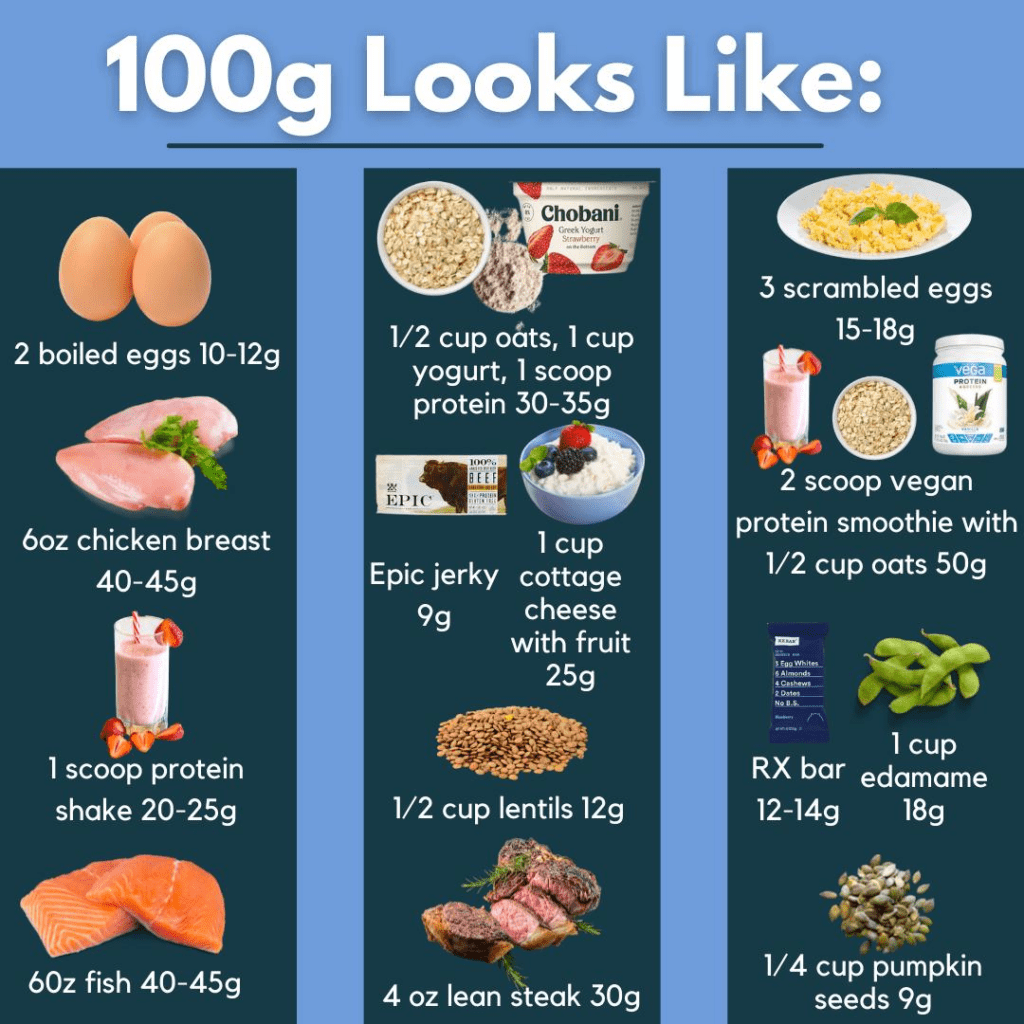
Eggs are a cheap way to get a lot of protein. One egg has about 6 to 7 grams of high-quality protein and all nine amino acids that your body needs.
Why eggs are good for gaining muscle:
- Leucine, an amino acid that is very important for muscle growth, is in it.
- Contains good fats that help make hormones
- Simple to digest and useful in many ways
After a workout, eat boiled eggs, scrambled eggs, omelets, or egg whites for lean protein.
now Eggs and egg yolks has been focused more through the latest FDA studies, read more about the new food pyramid by the FDA below
2. Chicken Breast
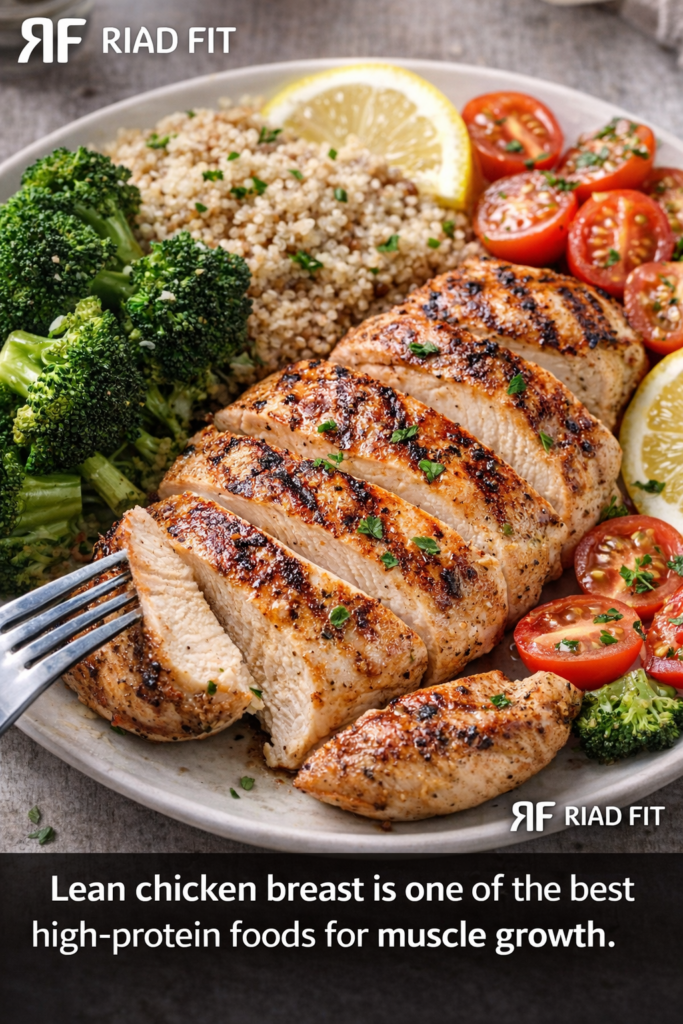
Chicken breast is a main food in most diets that help you build muscle. It has a lot of protein and not a lot of fat, which is good for building muscle without adding fat.
How much protein:
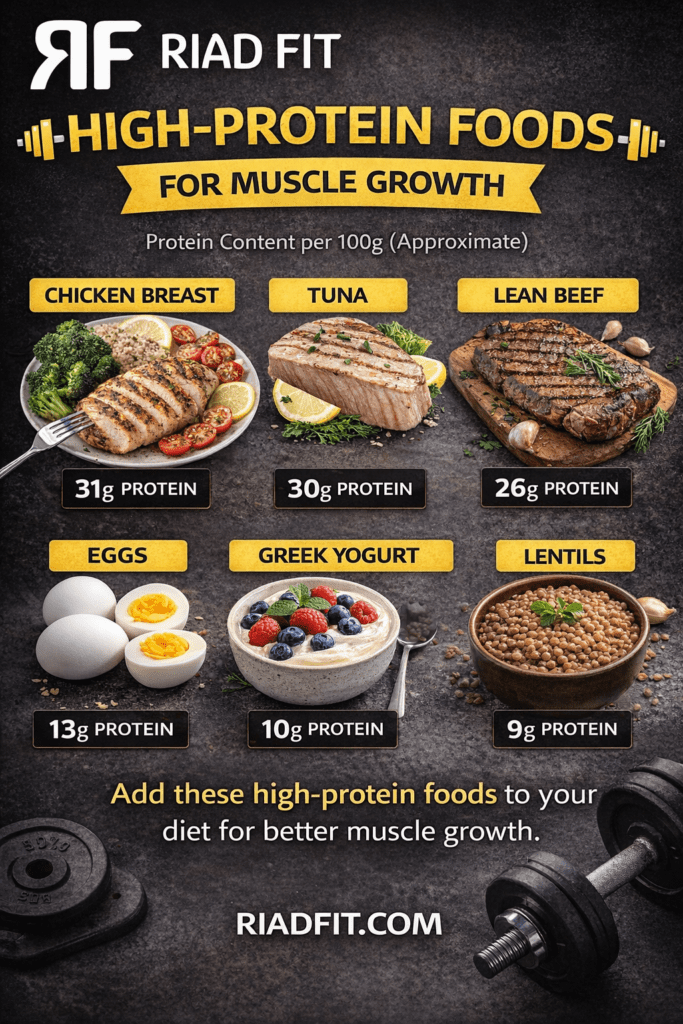
About 31 grams of protein for every 100 grams
Pros:
- It helps muscle tissue grow and heal.
- Has a low number of calories and saturated fat
- Easy to make and great for meal prep
How to eat: Chicken with vegetables and whole grains that have been grilled, baked, or stir-fried.
3. Greek yogurt
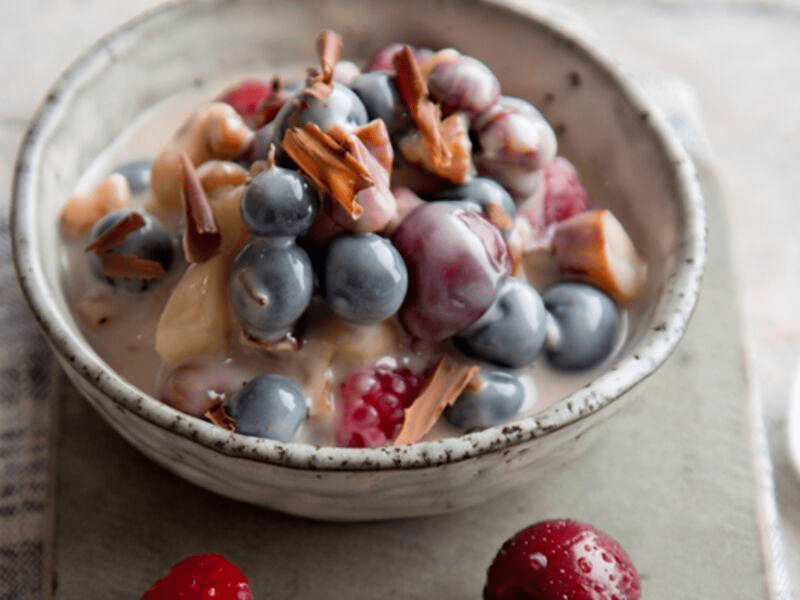
Greek yogurt is a good choice for sore muscles because it has almost twice as much protein as regular yogurt.
How much protein:
About 10 to 12 grams for every 100 grams
Good things:
- It has both whey protein, which breaks down quickly, and casein protein, which breaks down slowly.
- Helps muscles heal and keeps the gut healthy.
- Lots of calcium and good bacteria
How to eat: as a snack, with nuts and fruit, or after working out.
4. Lean red meat
Sirloin and tenderloin are two examples of lean cuts of red meat that are full of protein.
How much protein is there?
About 26 to 28 grams for every 100 grams
Things that are good:
- Contains a lot of zinc, iron, and vitamin B12.
- Helps muscles get stronger and get more oxygen.
- Has creatine in it, which helps performance.
How to eat: Lean beef that has been grilled or pan-seared with vegetables and carbs that are hard to digest.
5. Fish, like salmon, tuna, and sardines
Fish is high in protein and omega-3 fatty acids, which help reduce muscle inflammation.
How much protein is there?
Salmon: about 25 grams for every 100 grams
Tuna: about 30 grams for every 100 grams
Things that are good:
- Keeps joints healthy and helps muscles heal.
- Makes it easier to make proteins
- Makes the heart stronger
How to eat: grilled salmon, tuna salad, or fish baked with herbs.
6. Paneer for vegetarians or cottage cheese
Cottage cheese and paneer are great dairy options for vegetarians because they are high in protein.
How much protein is in it?
There are about 11 grams of protein in every 100 grams of cottage cheese.
Paneer: about 18 grams for every 100 grams
Pros:
- A lot of casein protein helps muscles heal slowly.
- Keeps you full for a longer time
- While you sleep, it helps your muscles heal.
How to eat: as a snack, in salads, or with veggies.
7. Lentils and Beans
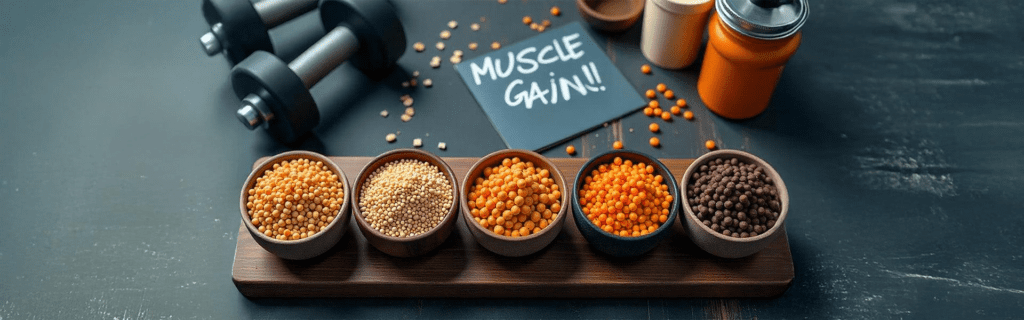
Lentils, chickpeas, kidney beans, and black beans are all good plant-based sources of protein.
How much protein:
Lentils: about 9 grams per 100 grams when cooked
Pros:
- Great for people who don’t eat meat or fish.
- A lot of fiber helps digestion.
- Gives you a steady stream of energy for working out
You can get a full protein by adding it to rice, soups, curries, or salads.
8. Whey Protein
Whey protein is one of the best things you can take to help you get stronger.
How much protein do you need?
There are about 20 to 25 grams in each scoop.
Pros:
- After working out, it’s good to eat protein that digests quickly.
- Helps muscles build proteins
- Easy to eat and helpful
Mix with water or milk after working out, or add it to smoothies.
9. Nuts and seeds
Peanuts, almonds, chia seeds, flaxseeds, and pumpkin seeds are all good sources of protein and healthy fats.
How much protein:
Almonds: about 21 grams for every 100 grams of them
Every 100 grams of peanuts has about 26 grams of protein.
Pros:
- It gives you energy that lasts.
- Helps muscles get better
- Rich in minerals and antioxidants
How to eat: As snacks, in smoothies, or sprinkled over meals.
10. Things made with soy and tofu
Tempeh, soy milk, and tofu are all proteins that come from plants.
Amount of protein:
Tofu: 8 to 10 grams for every 100 grams of tofu
Pros:
- Has all the amino acids your body needs
- Great for vegetarians and vegans who want to build muscle
- Keeps hormones in check
How to eat: in salads, curries, stir-fries, or on the grill.
Ways to Get the Most Muscle Growth from Protein
- Eat protein at different times of the day.
- Along with the protein you eat, do strength training.
- To help your muscles heal, drink a lot of water.
- Include carbs and healthy fats for balanced nutrition
- Get enough sleep to help your muscles heal.
In conclusion
Eating a lot of protein won’t help you build muscle faster. You just need to eat foods high in protein regularly These ten high-protein foods will help your muscles grow, heal, and work better if you eat them every day.
Everyone can find a high-protein food they like, whether they like meat or plants. You will see big changes in the size and strength of your muscles over time if you eat well, work out regularly, get enough sleep, and stay disciplined.
While you’re building muscle, don’t forget to eat well.
❓ Frequently Asked Questions (FAQ)
1. How much protein do I need daily to build muscle?
Most active individuals need around 1.6–2.2 grams of protein per kilogram of body weight to support muscle growth, according to research from the National Institutes of Health.
2. Can I build muscle with food only, without protein supplements?
Yes, you can build muscle using whole foods like chicken, eggs, fish, and legumes. Supplements are convenient but not necessary if your diet meets your protein needs.
3. What is the best high-protein food for muscle growth?
There is no single “best” food. Lean meats, eggs, dairy, and fish are excellent due to their complete amino acid profile.
4. Is too much protein harmful?
For healthy individuals, high-protein diets are generally safe. However, extremely high intake over long periods should be monitored, especially for people with kidney conditions, as advised by the Mayo Clinic.
5. What are the best vegetarian protein sources?
Great vegetarian options include lentils, chickpeas, tofu, quinoa, and dairy products like Greek yogurt.
6. When is the best time to eat protein for muscle growth?
Protein timing matters less than total daily intake, but consuming protein after workouts can help muscle recovery and growth.
🔬 Scientific References & Sources
- World Health Organization – Protein and nutrition guidelines
- National Institutes of Health – Dietary protein intake research
- Harvard T.H. Chan School of Public Health – Healthy eating plate & protein sources
- Mayo Clinic – High-protein diet safety and recommendations
👉 Optional extra (STRONG):
- PubMed – Search for peer-reviewed protein studies
Medical Disclaimer
This content is for informational purposes only and does not replace professional Medical advice
Always consult a healthcare professional before starting any training program.
About the Author
Mohamed Riad is a competitive bodybuilder and Mediterranean champion (2023, 2025), sharing real-world training and nutrition experience.
specialising in advanced training and performance health
Want a personalised training and nutrition plan? Contact me today at the link below:
https://www.instagram.com/mohamedriadofficial/
Full details about the author below: