🏋️♂️ Introduction
Grip strength is one of the most overlooked aspects of fitness, yet it plays a crucial role in overall strength, performance, and even long-term health.
Whether you’re lifting weights, doing pull-ups, or simply carrying heavy objects, your grip is often the limiting factor.
In this guide, you’ll learn:
- Why grip strength matters
- The different types of grip strength
- 7 effective dumbbell exercises
- How to train grip properly for maximum results
🧠 Why Grip Strength Is Important
Grip strength is not just about your hands—it reflects your overall muscular strength and functional fitness.
Benefits of strong grip:
- Improves performance in deadlifts, rows, and pull-ups
- Enhances forearm strength and endurance
- Reduces risk of injury
- Linked to better overall health and longevity
- Increases control and stability during lifts
Studies suggest that grip strength is a strong indicator of overall muscle function and long-term health outcomes.
if you need a full training program for strength read below
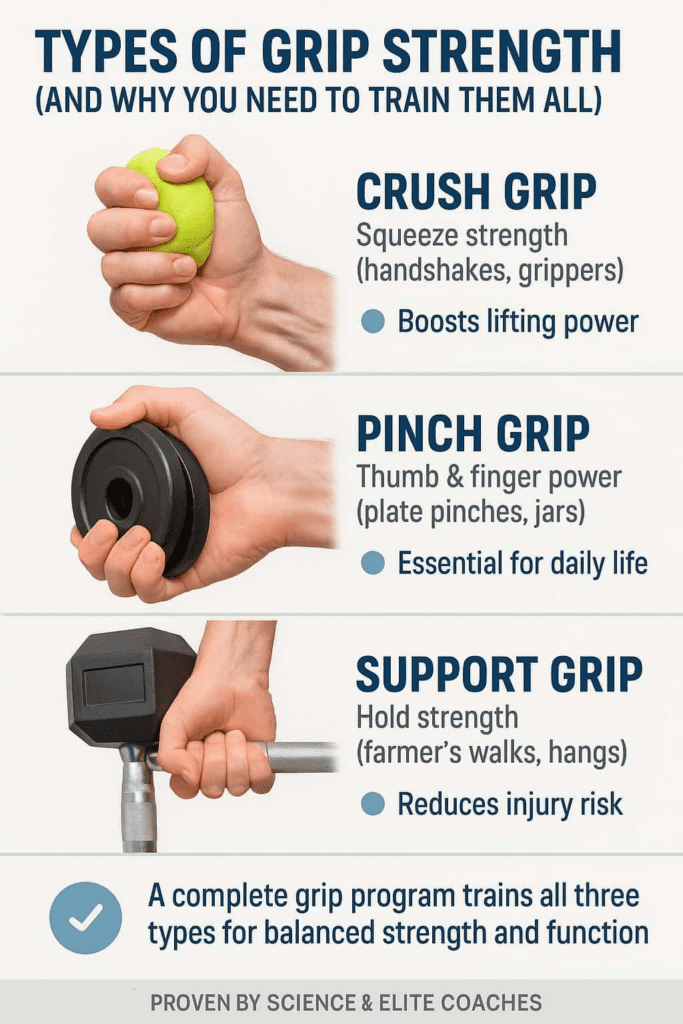
✊ Types of Grip Strength
Understanding grip types helps you train smarter:
1. Crush Grip
Used when squeezing something (like dumbbells)
2. Support Grip
Used when holding weight for time (deadlifts, farmer’s walks)
3. Pinch Grip
Used when holding objects between fingers (plates, blocks)
🏋️ 7 Best Dumbbell Exercises to Build Grip Strength
1. Dumbbell Farmer’s Walk
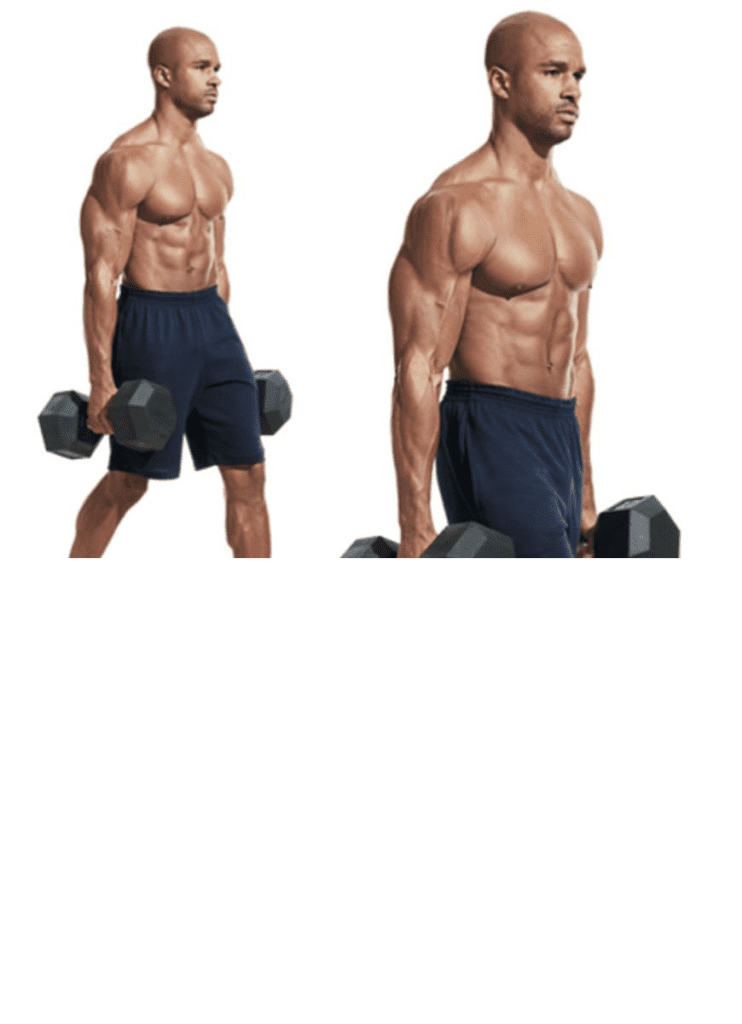
- Hold heavy dumbbells at your sides
- Walk for 20–40 seconds
- Keep posture straight
👉 Best for: support grip + full-body stability
2. Dumbbell Dead Hang Hold
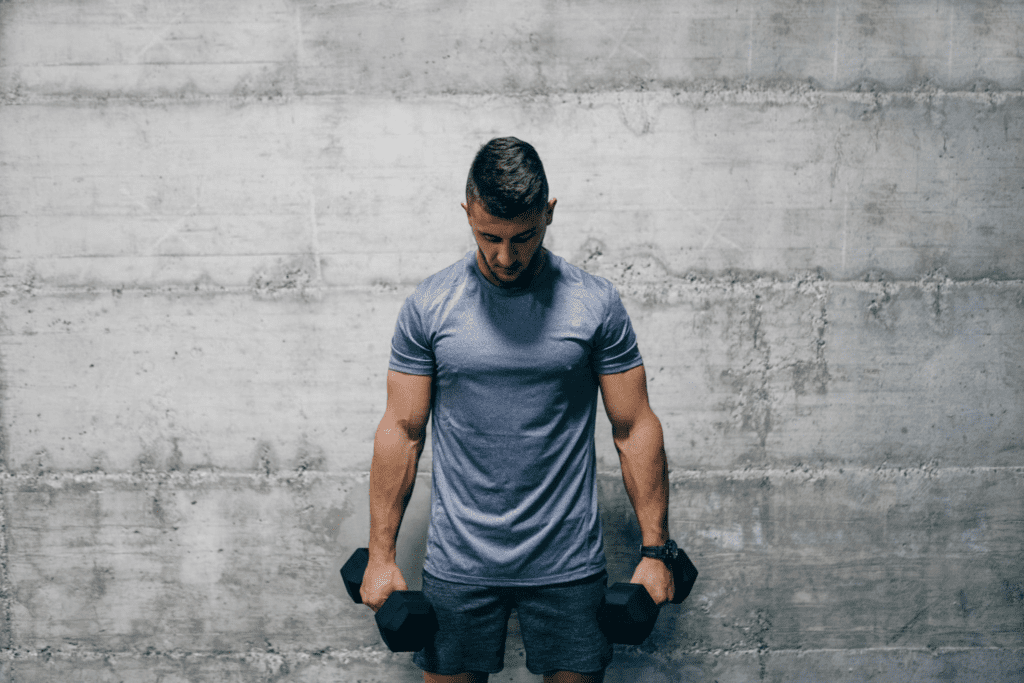
- Hold dumbbells for as long as possible
- Focus on time under tension
👉 Best for: grip endurance
3. Wrist Curls (Palms Up)
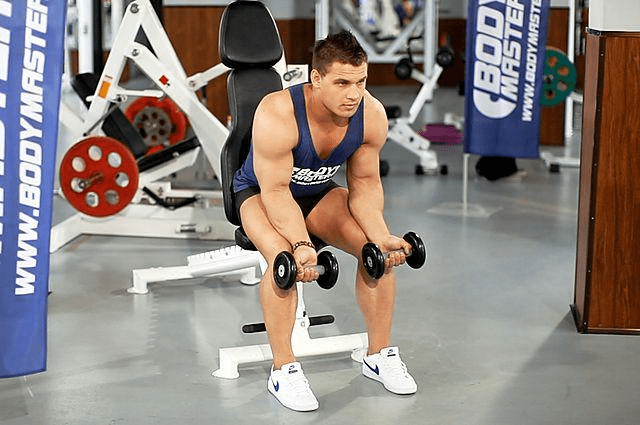
- Sit and rest forearms on thighs
- Curl dumbbells upward using wrists
👉 Best for: forearm flexors
4. Reverse Wrist Curls (Palms Down)
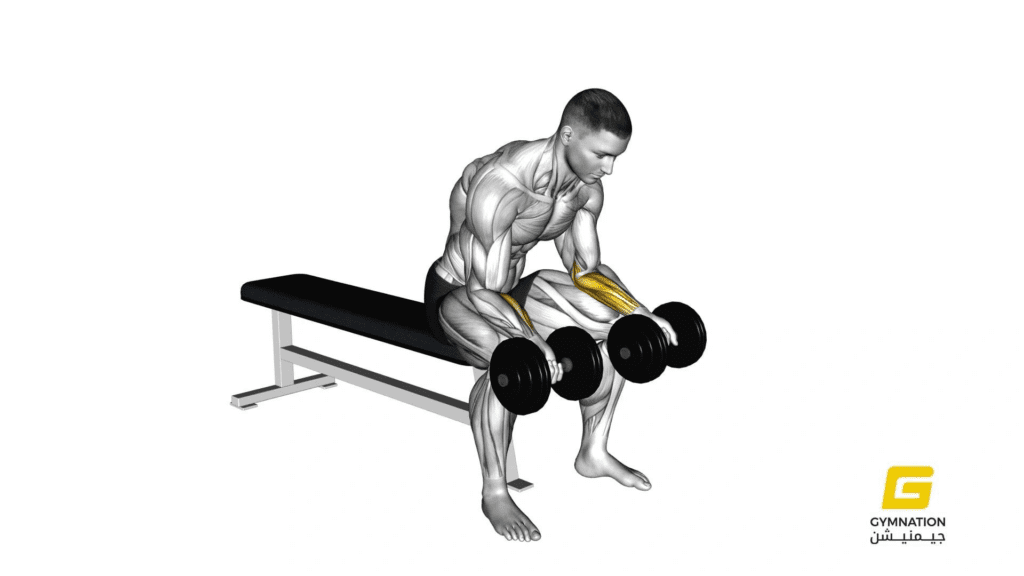
- Same position as wrist curls
- Lift with back of hands
👉 Best for: forearm extensors
5. Dumbbell Hammer Holds
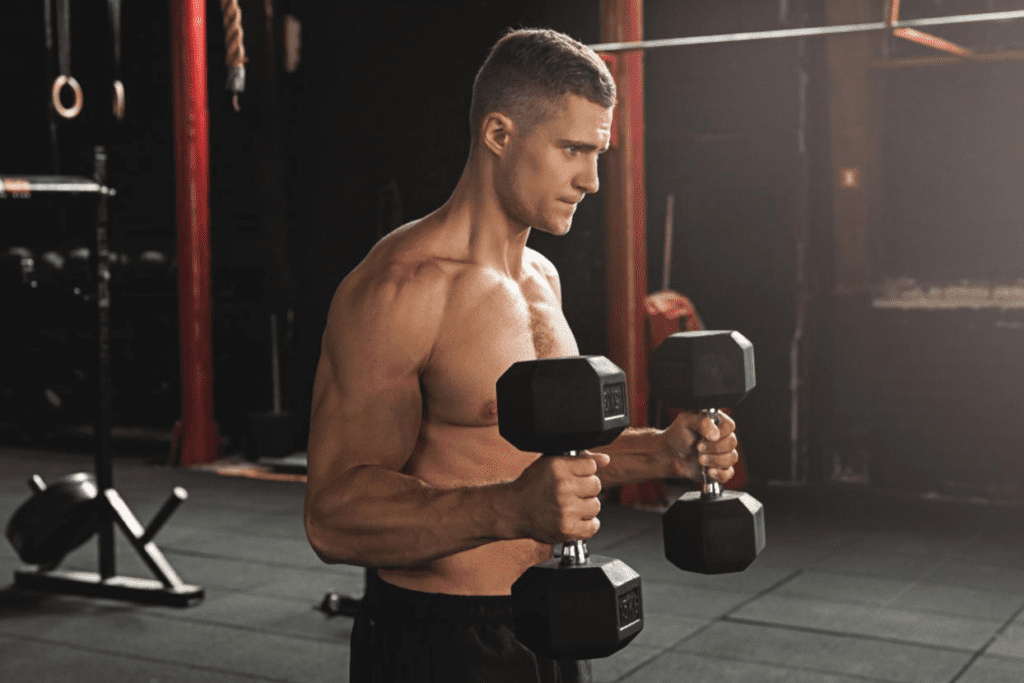
- Hold dumbbells in neutral grip (thumbs up)
- Keep arms static
👉 Best for: crush grip + stability
6. Towel Dumbbell Grip Holds
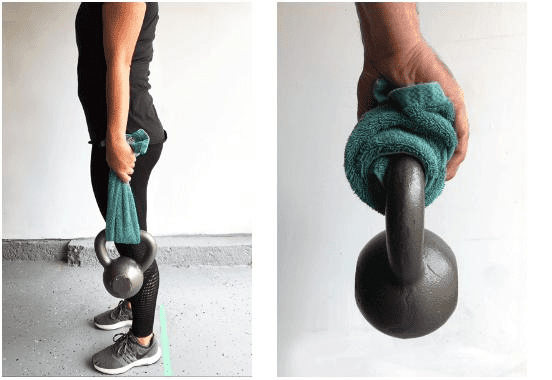
- Wrap towel around dumbbell handle
- Hold tightly
👉 Best for: grip difficulty + thickness strength
7. Single-Arm Dumbbell Hold

- Hold heavy dumbbell in one hand
- Stand still and stabilize
👉 Best for: core + unilateral grip strength
📊 Infographic: Grip Strength Training Flow
You can turn this into an image in Canva:
Title: “Grip Strength Training System”
Warm-Up
   ↓
Light Grip Work (Wrist Curls)
   ↓
Heavy Holds (Farmer Walks / Holds)
   ↓
Grip Variation (Towel / Single Arm)
   ↓
Endurance Finish (Timed Holds)
   ↓
Recovery (Stretch + Rest)
📈 How to Progress Your Grip Strength
To get results, follow this progression:
Week 1–2:
- Light weights
- Focus on technique
Week 3–4:
- Increase weight
- Add longer hold times
Week 5+:
- Add advanced variations (towel grip, single-arm)
- Train grip 2–3 times per week
🧠 Pro Tips for Faster Results
- Train grip at the end of workouts
- Avoid using lifting straps too often
- Focus on time under tension
- Combine grip training with back workouts
- Stay consistent (key factor)
❓ Frequently Asked Questions (FAQ)
How often should I train grip strength?
2–3 times per week is ideal. Grip muscles recover quickly but still need rest.
Can grip strength improve quickly?
Yes. Beginners often see improvement within 2–4 weeks with consistent training.
Do dumbbells build forearm strength?
Absolutely. Dumbbells are one of the most effective tools for developing grip and forearm muscles.
What is the best exercise for grip strength?
Farmer’s walks and heavy holds are among the most effective exercises.
Is grip strength linked to overall health?
Yes. Research shows grip strength is associated with overall muscle strength and long-term health indicators.
🧾 Scientific References
- Harvard Health – Grip strength and health
https://www.health.harvard.edu - NIH – Muscle strength and physical health
https://www.nih.gov - Mayo Clinic – Strength training benefits
https://www.mayoclinic.org - CDC – Physical activity and health
https://www.cdc.gov
🔥 Conclusion
Grip strength is a key foundation of overall fitness, strength performance, and long-term health.
By consistently training with these dumbbell exercises and applying progressive overload, you can significantly improve your grip, enhance your workouts, and unlock better results across all lifts.
Medical Disclaimer
This content is for informational purposes only and does not replace professional Medical advice
Always consult a healthcare professional before starting any training program.
About the Author
Mohamed Riad is a competitive bodybuilder and Mediterranean champion (2023, 2025), sharing real-world training and nutrition experience.
specialising in advanced training and performance health
Want a personalised training and nutrition plan? Contact me today at the link below:
https://www.instagram.com/mohamedriadofficial/
Full details about the author below: