From my experience as a competitive bodybuilder, maintaining high protein intake on rest days is just as important as training days, since this is when actual muscle repair and growth occur
People who want to build muscle often think about lifting heavy weights, working out hard, and adding weight over time. Many people believe that training days are more important than days off. Many people believe that nutrition is less important on non-workout days. This is one of the biggest mistakes people make when they want to get in shape and build muscle.
You don’t get stronger at the gym; you get stronger when you sleep. It’s also very important to eat well on your days off if you want to heal, get stronger, and build muscle over time. This blog post will talk about why it’s important to eat well on your days off, how it helps your muscles grow, and what foods you should eat to get the best results.
Learning About How Muscles Get Bigger and Heal
Before you can understand why it’s important to eat well on your days off, you need to know how muscles grow.
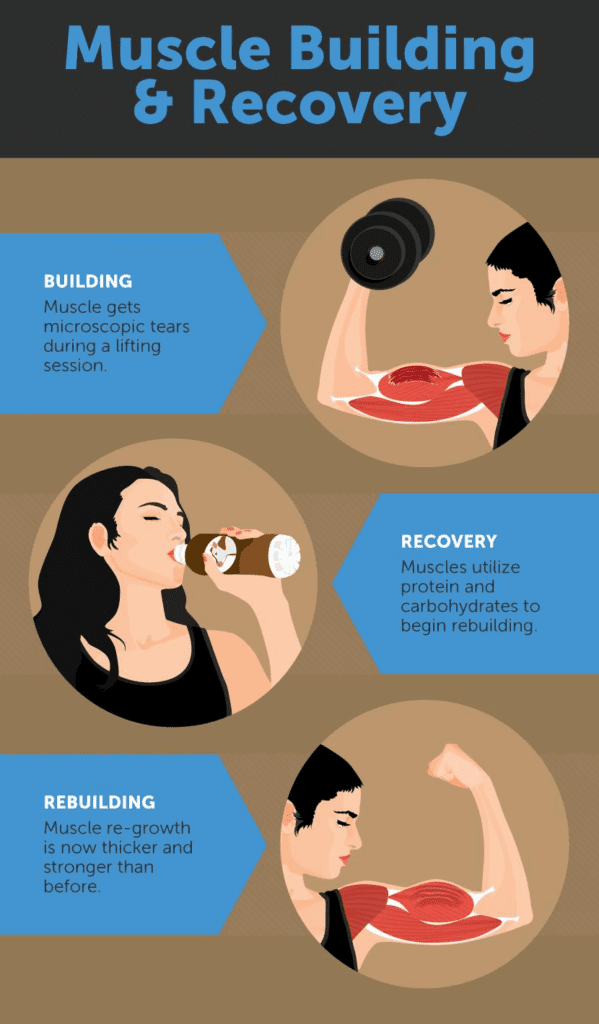
When you work out, especially when you lift weights or do strength training, your muscles get small tears. This is known as muscle breakdown. Your body repairs these fibers and makes them thicker and stronger while you sleep. This is what it means to build muscle protein.
Days off let
- Fixing and rebuilding muscles
- Filling up glycogen stores (energy)
- More tiredness and less swelling
- The hormones are in balance when testosterone and growth hormone are released.
Your muscles won’t get the nutrients they need to grow if you don’t eat well while you’re getting better.
Why It’s Just as Important to Eat Well on Days When You Don’t Work Out as It Is on Days When You Do
Many people don’t eat as much on their days off because they think they don’t need as much energy. Even if you don’t need as many calories, you still need a lot of vitamins and minerals.
This is why it’s so important to eat well when you don’t have to work:
- The muscles are still getting bigger and stronger.
- After a workout, muscle protein synthesis can stay high for up to 48 hours. Even when you’re not working out, your body still needs protein, calories, and micronutrients.
- Stops Muscles from Losing
- If you don’t eat enough on your days off, your body can start to break down. This hurts your muscles and makes you move more slowly. This makes you more tired.
- Keeps hormones in good shape
- Eating the right amounts of healthy fats and carbs helps hormones that control how fast muscles grow, heal, and grow again.
- Makes future workouts better
- Taking a day off to eat well will help you get stronger, last longer, and stay focused during your next training sessions.
1. Protein Is the Most Important Thing for Building Muscle
The most important macronutrient for building and repairing muscle is protein. Protein helps your muscles heal faster and helps you feel better faster on days off.
How much protein do you need? When you take a day off, a good rule of thumb is to eat 1.6 to 2.2 grams of protein for every kilogram of weight you have.
The best places to find protein are
- There isn’t a lot of fat in chicken, turkey, or fish.
- Eggs
- Greek yogurt and cottage cheese
- Paneer and tofu
- Beans, lentils, and chickpeas
- You can have protein shakes if you want.
You won’t build muscle if you don’t eat protein on your days off, and it will take you longer to get better.
2. Carbs: Filling Up Your Energy Stores
You may eat fewer carbs on days when you don’t work out, but they are still important. Your muscles need carbs after a hard workout to fill up their glycogen stores, which are important for energy.
Carbs also help keep muscles from breaking down by lowering the amount of cortisol in the body. Cortisol is a hormone that makes you feel anxious.
On your days off, it’s good to eat:
- All of these grains are whole: brown rice, oats, and quinoa.
- Fruits like apples, bananas, and berries
- Both sweet potatoes and carrots are vegetables.
- Beans
You can eat fewer carbs on days when you don’t work out, but if you stop eating them altogether, it might take longer for you to get better.
🧠 Rest Day Nutrition for Muscle Growth
| Nutrient | Role on Rest Days | Recommendation |
|---|---|---|
| 🍗 Protein | Repairs & builds muscle | Keep intake high (same as training days) |
| 🍚 Carbohydrates | Replenish glycogen stores | Moderate intake |
| 🥑 Healthy Fats | Support hormones | Include omega-3 sources |
| 💧 Hydration | Aids recovery & performance | Stay well hydrated |
| 😴 Recovery | Muscle growth happens here | Prioritize quality sleep |
3. Healthy Fats Are Good for Your Hormones and Can Help You Get Better
Healthy fats are needed to make hormones like testosterone and growth hormone, which are both important for building muscle.
They also help your joints stay healthy and lower inflammation, which is good for healing.
Where to find healthy fats:
- Seeds and nuts
- Avocados and olive oil
- Salmon and sardines are two types of fish that are high in fat.
- Chia seeds and flaxseeds
Stay away from trans fats and too many processed foods because they can make inflammation worse.
Why Micronutrients Are Important Even When You’re Not Working
A lot of people talk about macronutrients, but vitamins and minerals are just as important for getting stronger and healing.
Here are some important micronutrients:
- Magnesium helps muscles relax and keeps cramps from happening.
- Zinc helps the immune system and makes testosterone.
- Vitamin D makes your muscles work better and get stronger.
- Calcium is what makes muscles tight.
- Iron gives muscles the oxygen they need to work.
You can naturally meet these needs by eating a healthy diet that includes whole grains, fruits, vegetables, and dairy.
Many People Forget That Drinking Water Can Help Them Get Better
Even if you don’t exercise, you should still drink enough water. Your body will take longer to heal and make proteins if you don’t drink enough water. Water makes up about 75% of muscles.
When you’re not working, drinking enough water can do this for you:
- Makes it easier for nutrients to reach muscles
- Reduces muscle pain
- Helps your body get rid of waste and keeps your joints moist.
Put electrolytes in your water if you need to.
When to Eat on Your Days Off
It’s not as important to eat at the same time every day as it is on training days, but it’s still important.
Important tips:
- Every meal should have protein in it.
- Don’t wait too long to eat.
- Before bed, eat a meal that is high in protein to help your body heal while you sleep.
Greek yogurt, cottage cheese, or a protein shake can help your muscles heal while you sleep.
Things People Do Wrong When They Don’t Work
- Not eating Your body needs food to get better. When you don’t eat, your body has a harder time getting the nutrients it needs.
- A big drop in the number of calories Cutting too many calories can mess up your hormones and make you lose muscle.
- Not being sure how much protein you eat You need to eat protein every day, not just when you work out.
- A lot of junk food You can’t really relax on your days off. Eating a lot of sugar and processed foods makes inflammation worse.
- Not drinking enough water If you don’t drink enough water, your muscles may hurt more and take longer to heal.
What to Eat When You’re Not Working
This is a simple example of a good day off:
- Breakfast: eggs, whole-grain toast, and fruit
- Greek yogurt and nuts make a great snack in the morning.
- You can have grilled chicken or paneer with brown rice and vegetables for lunch.
- Two healthy snacks are peanut butter and fruit or a protein smoothie.
- For dinner, you could have salad, fish, lentils, or quinoa.
- Before bed, have some warm milk or cottage cheese.
This way, you can always get the vitamins and minerals you need without eating too many calories.
Eating Well on Your Days Off Is Good for You in the Long Run
When you eat well on your days off, you will notice the following:
- Muscles heal more quickly
- Less pain and a smaller chance of getting hurt
- Workouts that work better
- A better shape for your body
- Muscle growth that lasts a long time
You don’t just build muscle when you work out.
Last Thoughts
A lot of people don’t remember that eating the right foods on your days off is a very important part of building muscle. When you work out, your muscles hurt, but they get stronger when you eat well and get enough sleep.
You can help your body heal and grow by putting protein first, keeping carbs and healthy fats in balance, drinking enough water, and giving it micronutrients.
Days off from working out are not days off from making progress; they are a necessary part of it. Your muscles will grow, get stronger, and become healthier over time if you take your rest days as seriously as your workout days.
❓ FAQs: Nutrition on Rest Days for Muscle Building
1. Should I eat less on rest days?
No, your body still requires nutrients for recovery and muscle repair, especially protein.
2. Do I need protein on rest days?
Yes, protein intake is essential on rest days because this is when muscle repair and growth occur.
3. Should I reduce carbohydrates on rest days?
You may slightly reduce carbs depending on activity level, but they are still important for recovery.
4. Can I build muscle on rest days?
Yes, muscle growth primarily occurs during recovery, not during the workout itself.
5. Is it okay to skip meals on rest days?
No, skipping meals can negatively impact recovery and muscle-building progress.
6. How important is hydration on rest days?
Very important. Proper hydration supports recovery, nutrient transport, and overall performance.
Medical Disclaimer
This content is for informational purposes only and does not replace professional Medical advice
Always consult a healthcare professional before starting any training program.
About the Author
Mohamed Riad is a competitive bodybuilder and Mediterranean champion (2023, 2025), sharing real-world training and nutrition experience.
specialising in advanced training and performance health
Want a personalised training and nutrition plan? Contact me today at the link below:
https://www.instagram.com/mohamedriadofficial/
Full details about the author below: